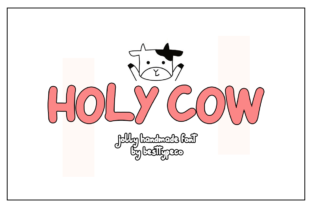
Holy Cow: A Fresh Handmade Calligraphy Font for Creative Projects
For those seeking a unique and expressive typeface, Holy Cow offers a fresh, handmade calligraphy font that can elevate a variety of design projects. This font is particularly well-suited for creative applications such as greeting cards, branding materials, business cards, quotes, and posters. Its organic, hand-drawn style gives it a personal and artistic touch that sets it apart from more traditional or digital fonts.
What Is Holy Cow?
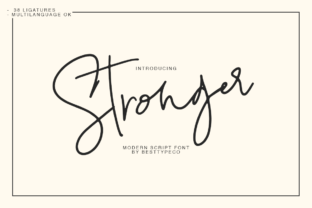
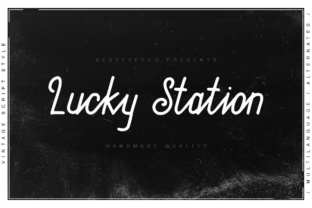
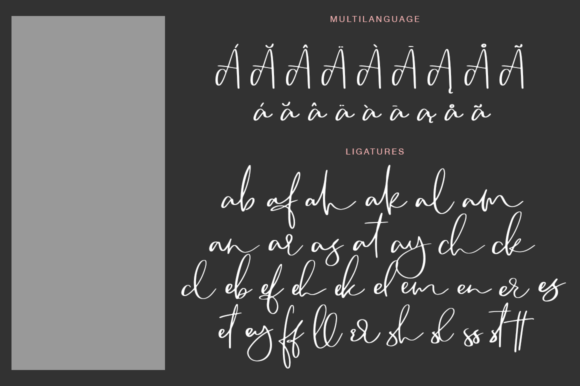
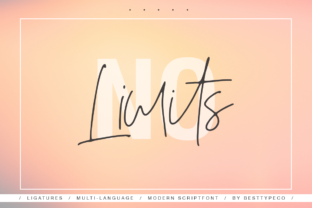
Holy Cow is a calligraphy-style font that mimics the look of handwritten script. Unlike many digital fonts that are generated through software, this one has a handmade quality that adds a sense of authenticity and warmth. The font features fluid strokes, varying line weights, and a natural irregularity that reflects the human hand. These characteristics make it ideal for designs that require a personal or artisanal feel.
The font is available in multiple weights and styles, allowing users to choose the level of detail and formality that best suits their project. Whether you're looking for a bold statement piece or a delicate, elegant script, Holy Cow provides flexibility without sacrificing its distinctive character.
Why Someone Might Be Interested in Holy Cow
Designers, artists, and small business owners often seek fonts that offer both aesthetic appeal and practical usability. Holy Cow appeals to those who want to add a unique visual element to their work without relying on standard typography. Its handmade nature makes it especially appealing for projects that emphasize craftsmanship, creativity, or emotional expression.
Individuals who are passionate about calligraphy or hand-lettering may find Holy Cow to be an excellent tool for translating their skills into digital formats. It allows them to maintain the essence of their art while working within digital design platforms. Additionally, users who want to differentiate their brand or product from competitors may find that Holy Cow helps create a memorable and distinctive visual identity.
Benefits of Using Holy Cow
One of the primary benefits of Holy Cow is its ability to convey a sense of authenticity and individuality. In a world where many designs rely on standardized fonts, using a handmade calligraphy font can make a project stand out. This is especially valuable in industries such as wedding invitations, boutique branding, or independent publishing, where personalization is key.
Another advantage is its versatility. While it is primarily a calligraphy font, it can be adapted to different contexts. For example, it works well for headings, titles, and short phrases, but may not be suitable for long blocks of text due to its stylized appearance. Users should consider the readability of the font when deciding how to incorporate it into their designs.
Considerations and Tradeoffs
While Holy Cow offers a unique aesthetic, there are some tradeoffs to consider. Its stylized nature may not be appropriate for all types of projects. For instance, formal or corporate environments may prefer more structured and neutral typefaces. In such cases, alternatives like serif or sans-serif fonts might be more suitable.
Readability is another important factor. Although the font is legible at larger sizes, it may become less clear when used in smaller point sizes or in dense text layouts. Designers should test the font in various contexts to ensure it meets their needs. Additionally, users should be aware of licensing terms, as some fonts may have restrictions on commercial use or redistribution.
Situations Where Holy Cow Is a Strong Fit
Holy Cow is particularly well-suited for projects that emphasize creativity, emotion, or a personal touch. Greeting cards, for example, often benefit from a font that feels handcrafted and heartfelt. Similarly, branding materials for artisanal businesses, such as cafes, boutiques, or independent designers, can use Holy Cow to reinforce their unique identity.
Quotes, posters, and social media graphics also benefit from the font's expressive qualities. When used effectively, it can evoke a sense of nostalgia, elegance, or whimsy, depending on the context. For designers looking to add a custom feel to their work, Holy Cow provides a powerful tool for achieving that goal.
Situations Where Alternatives May Be Worth Considering
In certain scenarios, alternative fonts may be more appropriate. For example, if a project requires a clean, modern look, a minimalist sans-serif font could be a better choice. Similarly, for large amounts of body text, a more readable and neutral font would be preferable.
Users should also consider the target audience. If the intended recipients of a design are more accustomed to traditional typography, a more conventional font might be more effective. Ultimately, the decision should be based on the specific goals of the project and the preferences of the audience.
Practical Decision-Making Insights
When evaluating whether Holy Cow is the right choice, users should ask themselves a few key questions. What is the purpose of the design? Does the font align with the desired tone and message? How will it perform in different sizes and formats? Answering these questions can help determine whether the font will meet the project's needs.
Testing the font in real-world scenarios is also essential. Designers should experiment with different layouts, colors, and backgrounds to see how the font interacts with other elements. This process can reveal potential issues and help optimize the final outcome.
Finally, considering the broader design ecosystem is important. Holy Cow may work well in isolation, but it should complement other design choices, such as color schemes, imagery, and layout structures. A cohesive visual language enhances the overall impact of the design.