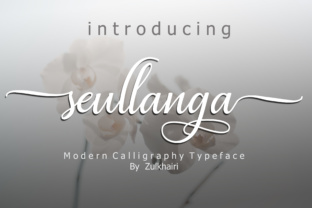
Seullanga: A Strategic Choice for Creative Expression and Brand Identity
Seullanga is more than just a font—it's a versatile tool that can elevate your creative projects and brand communication. With its calligraphic style, decorative characters, and dancing baseline, Seullanga offers a unique visual identity that stands out in a crowded market. Whether you're designing greeting cards, branding materials, or digital content, Seullanga provides a fresh and dynamic approach to typography.
For professionals and creatives looking to make a lasting impression, Seullanga represents a strategic choice. Its extensive glyph set—over 450 unique characters—ensures flexibility across various design applications. This makes it ideal for those who want to maintain consistency while adding a touch of elegance and personality to their work.
Strategic Use of Seullanga in Branding and Communication
When used thoughtfully, Seullanga can enhance your brand's visual language. It’s particularly effective for businesses aiming to convey creativity, sophistication, or a personal touch. For example, a boutique coffee shop might use Seullanga in its logo to reflect artisanal values, while a wedding planner could incorporate it into invitations to evoke romance and charm.
However, the effectiveness of Seullanga depends on how well it aligns with your brand’s overall identity. Before implementing it, consider your target audience, the message you want to communicate, and the context in which it will be used. A font that works well for a luxury fashion brand may not resonate with a tech startup looking for a modern, minimalist aesthetic.
Planning Your Use of Seullanga: Key Considerations
To maximize the impact of Seullanga, start by defining clear objectives. Are you using it to improve readability, add visual interest, or reinforce a specific brand emotion? Answering these questions will help you determine where and how to apply it effectively.
- Understand your audience: What do they value visually? Does Seullanga align with their expectations?
- Evaluate legibility: While Seullanga is beautiful, ensure it remains readable in different sizes and formats.
- Test in real-world scenarios: Apply it to mockups, samples, or prototypes to see how it performs in practice.
By approaching Seullanga with intention, you avoid the risk of overuse or misapplication. This careful planning ensures that every instance of the font serves a purpose and contributes to your broader goals.
Practical Applications of Seullanga in Design Projects
Seullanga excels in projects that require a personal, artistic touch. Here are some practical use cases:
- Greeting cards: Use Seullanga to create handcrafted, one-of-a-kind designs that feel authentic and heartfelt.
- Business cards: Stand out from competitors with a custom font that reflects your brand’s personality.
- Quotes and posters: Enhance motivational or inspirational messages with a visually engaging font.
- Branding materials: Incorporate Seullanga into logos, packaging, or marketing collateral for a cohesive look.
Each of these applications requires a balance between aesthetics and functionality. For instance, while Seullanga adds flair, it should never compromise clarity or professionalism.
Long-Term Value of Choosing Seullanga
Investing in a font like Seullanga can yield long-term benefits when integrated into your design strategy. Its versatility allows it to adapt to evolving trends while maintaining a timeless appeal. This makes it a valuable asset for businesses and creators who want to stay relevant without constantly reinventing their visual identity.
Moreover, using Seullanga consistently across platforms reinforces brand recognition. Customers begin to associate the font with your brand, creating a stronger emotional connection. This subtle but powerful effect can differentiate your work from others in a competitive landscape.
Common Pitfalls and How to Avoid Them
Despite its strengths, Seullanga can be misused if not approached with care. One common mistake is overusing it in large blocks of text. While it looks great in headlines or short phrases, it may become difficult to read in extended paragraphs. Always test it in the intended format before finalizing any design.
Another risk is using it without a clear purpose. Randomly applying Seullanga can dilute its impact and confuse your audience. Instead, focus on areas where it enhances the message or experience. For example, use it for key headlines or signature elements rather than as a default font for all text.
Integrating Seullanga into Your Workflow
To make Seullanga a seamless part of your creative process, consider the following steps:
- Choose the right file format: Ensure compatibility with your design software and project requirements.
- Organize your glyphs: Familiarize yourself with the full range of characters to leverage them effectively.
- Combine with complementary fonts: Pair Seullanga with a clean, sans-serif font for contrast and balance.
These practices help you harness the full potential of Seullanga while maintaining a professional and polished outcome.
Conclusion: Seullanga as a Strategic Asset
Seullanga is more than a stylistic choice—it’s a strategic tool that can enhance your creative output and brand presence. By understanding its strengths, limitations, and best practices, you can use it intentionally to achieve better results. Whether you're an entrepreneur, designer, or marketer, Seullanga offers a fresh and meaningful way to express your vision and connect with your audience.
As you explore its possibilities, remember that the goal is not just to look good, but to communicate effectively. When used with purpose, Seullanga becomes a powerful ally in your design and branding journey.