Wetting: A Handwritten Design for Real-World Use
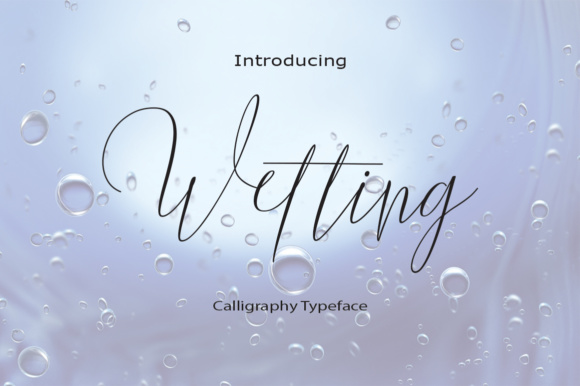
Wetting is a unique design style that captures the essence of handwriting. It’s not just a font—it’s a visual representation of human touch, with its flowing lines and natural imperfections. This makes it stand out in a world dominated by clean, digital typography. Whether you're creating a personal project or a professional brand, Wetting offers a way to add authenticity and character.
Why Wetting Works in Everyday Design
One of the most appealing aspects of Wetting is its versatility. It can be used in situations where a more formal typeface might feel too rigid. For instance, when designing a wedding invitation, Wetting adds a warm, personal touch that reflects the couple's individuality. The soft curves and fluid strokes make it feel like it was written by hand, which can make a big difference in how the message is received.
It also works well for blog headers or social media posts. When you want to grab attention without being too flashy, Wetting can provide a stylish yet approachable look. Its swashes and glyph variations give it a sense of movement, making it ideal for content that aims to feel dynamic and engaging.
Wetting in Branding and Marketing
Businesses looking to create a memorable identity often turn to Wetting for its distinctive flair. Startups, independent brands, and creative studios use it to differentiate themselves from competitors. A product label with a Wetting-style logo can feel more personal and trustworthy, especially in industries like artisanal goods, handmade crafts, or boutique services.
For example, a small coffee shop might use Wetting on its signage or packaging to convey a cozy, local vibe. Similarly, a skincare brand could use it on its website or social media to emphasize a natural, organic approach. The key is that Wetting helps communicate a story—whether it's about craftsmanship, tradition, or individuality.
Practical Applications Beyond Typography
While Wetting is primarily a font, its influence extends beyond text. In graphic design, it can inspire illustrations, patterns, or even layout choices. Designers often use it as a reference point when creating visual elements that need to feel organic or expressive. This can be particularly useful in projects that aim to evoke nostalgia, creativity, or emotional connection.
Another area where Wetting shines is in personal branding. Freelancers, artists, and entrepreneurs often use it on their business cards or portfolios to create a signature look. It gives them a way to stand out while maintaining a professional edge. The right application can make all the difference between a generic design and one that feels uniquely theirs.
Considerations Before Using Wetting
Before jumping into using Wetting, it's important to consider how it will fit with your overall design. While it’s visually striking, it may not work in every context. For example, in formal documents or technical materials, it could come across as too casual. The goal is to match the tone of the project with the style of the font.
Also, readability is a factor. Wetting’s flowing nature can sometimes make it harder to read at smaller sizes. If you’re using it for body text, test it on different devices and screen sizes to ensure it remains legible. In some cases, pairing it with a more traditional font can help balance the design while keeping the unique character of Wetting intact.
Who Benefits from Using Wetting?
Wetting appeals to a wide range of users, each finding value in different ways. For designers, it’s a tool for adding personality and depth to their work. For small business owners, it’s a way to build a distinct brand identity. For creatives, it’s an expression of individuality and artistic freedom.
Even those outside the design field can benefit from it. A teacher might use it on a classroom sign to create a welcoming atmosphere. A musician could incorporate it into a flyer for a gig, giving it a more personal, artistic feel. The possibilities are endless, as long as the user understands how to apply it effectively.
Exploring Different Industries and Uses
The beauty of Wetting lies in its adaptability. In the fashion industry, it can be used on packaging or promotional materials to reflect a brand’s aesthetic. In the tech world, it might appear in a startup’s marketing collateral to suggest innovation and creativity. Even in healthcare, it can be used in patient communications to create a more empathetic tone.
For event planners, Wetting can elevate everything from digital invites to printed programs. It adds a level of sophistication that feels both modern and timeless. In the food industry, it can be used on menus or restaurant signs to create a more inviting, home-cooked feel.
Final Thoughts on Wetting’s Value
Wetting isn’t just a font—it’s a design philosophy that values authenticity and human connection. Its natural feel makes it ideal for projects that aim to resonate on a personal level. Whether you’re creating something for yourself or for others, Wetting offers a way to express creativity without sacrificing clarity or professionalism.
As you explore its potential, keep in mind that the best results come from thoughtful application. Experiment with different styles, pair it with complementary elements, and see how it can enhance your work. With the right approach, Wetting can become a powerful tool in your design arsenal.