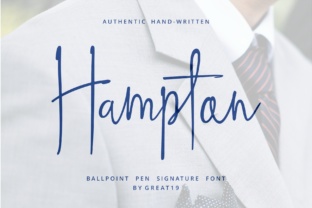
Hampton: A Hand-Written Signature Font for Authentic Design
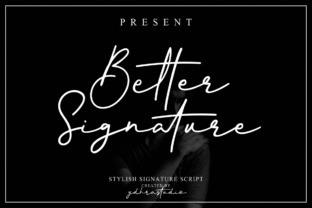
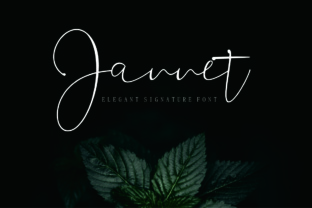
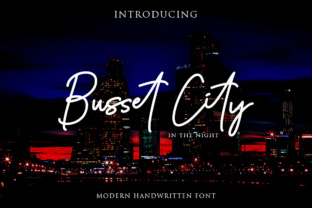
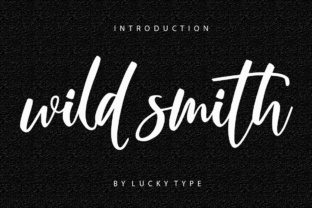
Hampton is a hand-written signature font that captures the essence of a genuine, personal touch. Created using a 1.0 mm ballpoint pen, it offers an authentic look that feels natural and unpolished. This font is ideal for those seeking a sophisticated, unique, and high-end aesthetic in their design projects.
What Is Hampton?
Hampton is a typeface designed to mimic the appearance of a handwritten signature. Unlike digital fonts that are often uniform and precise, Hampton incorporates subtle variations that reflect the irregularities of human handwriting. This makes it stand out as a distinctive choice for designers who want to add a personal or artisanal feel to their work.
The font was developed with attention to detail, ensuring that each character maintains a consistent style while still retaining the organic quality of a real signature. Its design is versatile enough to be used across various mediums, from print to digital platforms.
Why Someone Might Be Interested in Hampton
Designers and businesses looking to differentiate themselves often turn to unique typography. Hampton offers a way to create a visual identity that feels more personal and less generic than standard fonts. It can be particularly appealing for brands that want to convey authenticity, creativity, or a handmade approach.
For instance, independent artists, boutique businesses, and creative agencies may find Hampton useful in branding materials such as logos, business cards, and marketing collateral. Its ability to evoke a sense of craftsmanship can resonate with audiences who value individuality and quality.
Benefits of Using Hampton
One of the primary benefits of Hampton is its ability to add a human element to digital designs. In a world dominated by clean, geometric fonts, Hampton provides a refreshing contrast. This can make a brand or project stand out and feel more relatable.
Additionally, the font’s unique style can enhance the visual appeal of titles, headings, and other prominent text elements. Its elegance and sophistication make it suitable for high-end applications such as magazine layouts, editorial design, and premium branding efforts.
Tradeoffs and Considerations
While Hampton offers a distinct aesthetic, it may not be the best choice for every project. Its informal nature could be unsuitable for formal or corporate environments where a more structured and professional look is required. Designers should consider the context in which the font will be used before incorporating it into their work.
Another consideration is readability. While Hampton is legible at larger sizes, it may become difficult to read when used in small text or dense paragraphs. This limits its effectiveness for body copy and makes it better suited for headlines, logos, and decorative elements.
Situations Where Hampton Is a Strong Fit
Hampton excels in scenarios where a personal, artistic touch is desired. For example, it works well for branding initiatives that aim to communicate a sense of individuality or craftsmanship. It can also be effective in creative industries such as fashion, art, and publishing, where visual uniqueness is valued.
Businesses targeting niche markets or those with a focus on artisanal products may find Hampton to be an excellent fit. Its ability to convey authenticity can help build trust and connect with audiences who appreciate handmade or custom-made items.
Situations Where Alternatives May Be Worth Considering
In cases where clarity and professionalism are paramount, alternative fonts may be more appropriate. Serif and sans-serif fonts like Times New Roman, Helvetica, or Georgia offer greater readability and are widely accepted in formal settings. These fonts are often preferred for long-form content, official documents, and corporate communications.
For designers who want a similar hand-written feel but with more consistency, there are other signature-style fonts available. These may provide a balance between authenticity and legibility, making them more versatile for different design needs.
Practical Decision-Making Insights
When evaluating whether to use Hampton, consider the goals of the project and the intended audience. If the objective is to create a memorable, personal brand identity, then Hampton can be a valuable tool. However, if the goal is to communicate information clearly and efficiently, a more conventional font may be more effective.
It is also important to test the font in different contexts. Previewing how it looks in various sizes and formats can help determine its suitability for the specific application. Additionally, considering the overall design scheme and ensuring that the font complements other elements can enhance the final result.
Ultimately, the decision to use Hampton should align with the broader design strategy and the message the designer wants to convey. By understanding its strengths and limitations, users can make informed choices that support their creative and functional objectives.