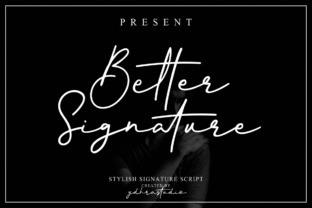
Better Signature: A Versatile Font for Diverse Design Needs
Better Signature is a distinctive font that offers a unique blend of elegance and readability. Designed with a focus on versatility, it can be applied across a wide array of design projects. From logos and branding to headlines and advertising, Better Signature provides a sophisticated look that can elevate the visual appeal of any work.
The font’s character set includes both uppercase and lowercase letters, along with numbers and punctuation, making it suitable for various typographic needs. Its clean lines and balanced proportions ensure that it remains legible even at smaller sizes, which is crucial for applications like business cards or product labels.
What Makes Better Signature Distinct?
Better Signature stands out due to its combination of style and functionality. Unlike some other signature fonts that may prioritize aesthetics over usability, Better Signature maintains a high level of readability without sacrificing visual appeal. This makes it ideal for situations where clarity is essential, such as in signage or printed materials.
The font also offers a range of weights and styles, allowing designers to choose the most appropriate variation for their specific project. Whether a bold, attention-grabbing headline or a subtle, elegant logo is needed, Better Signature provides options that can meet those requirements.
Another notable feature is its adaptability to different design contexts. It can be used in both digital and print formats, ensuring consistency across various mediums. This flexibility is particularly valuable for brands that need a cohesive look across multiple platforms.
Comparing Better Signature with Similar Options
When evaluating signature fonts, it's important to consider how they compare in terms of style, usability, and application. Better Signature is often compared to other popular signature fonts such as Brush Script or Lobster, which also offer a handcrafted feel. However, Better Signature tends to strike a better balance between a natural, handwritten appearance and structured typography.
Fonts like Brush Script are known for their fluid, cursive style, which can be excellent for artistic or decorative purposes. However, they may not be as effective for more formal or professional settings. Better Signature, on the other hand, offers a more refined and versatile alternative that can be used in a broader range of scenarios.
Another comparison point is with sans-serif fonts, which are often favored for their modern and clean look. While these fonts are highly readable and widely used, they may lack the personal touch that a signature font like Better Signature can provide. For projects that require a more individualized or creative approach, Better Signature can be a compelling choice.
Strengths and Tradeoffs of Better Signature
Better Signature excels in scenarios where a personalized yet professional look is desired. Its ability to convey a sense of authenticity and creativity makes it a strong option for branding, especially for businesses aiming to establish a unique identity. The font’s versatility allows it to be used in both contemporary and traditional designs, depending on the context.
One of the key strengths of Better Signature is its adaptability. It can be paired with other fonts to create visually interesting compositions. For example, using it as a headline alongside a simple sans-serif body font can produce a balanced and engaging layout. This flexibility is beneficial for designers looking to experiment with different typographic combinations.
However, there are tradeoffs to consider. In some cases, the font’s stylistic elements may not be as effective when used in large blocks of text. While it works well for short phrases or headings, it may not be the best choice for extended paragraphs. Additionally, the font’s distinctiveness can sometimes make it less suitable for minimalist or highly functional design approaches.
Best-Fit Situations for Better Signature
Better Signature is particularly well-suited for projects that require a touch of personality and flair. For instance, in the case of a small business launching a new brand, using Better Signature for the logo can help convey a sense of craftsmanship and individuality. Similarly, in the realm of fashion apparel, the font can add a unique visual element to labels or tags.
It is also a good fit for editorial projects, such as magazines or book titles, where a distinctive font can enhance the overall aesthetic. In these contexts, Better Signature can serve as a focal point that draws attention while maintaining a level of sophistication.
For advertising campaigns, the font can be used to create eye-catching headlines that stand out from the competition. Its ability to communicate a sense of style and creativity makes it an effective tool for capturing the audience’s interest.
When Better Signature May Not Be the Right Choice
While Better Signature is a powerful tool, there are situations where it may not be the best option. In highly technical or data-driven contexts, such as reports or presentations, a more neutral and straightforward font may be more appropriate. The goal in these cases is often clarity and professionalism, rather than visual flair.
Additionally, for projects that require a very modern or minimalist aesthetic, the stylized nature of Better Signature might not align with the intended design direction. In such cases, a clean sans-serif or serif font could be a more suitable choice.
Designers should also consider the target audience when selecting a font. If the audience is more traditional or prefers a formal look, a simpler font might be more effective. Conversely, if the audience appreciates creativity and uniqueness, Better Signature could be an excellent fit.
Practical Examples and Use Cases
Consider a scenario where a designer is creating a poster for a local art exhibition. Using Better Signature for the title can add a creative and inviting feel to the design. The font’s elegance complements the artistic theme, making it a fitting choice for the project.
In another example, a fashion brand might use Better Signature on a clothing label to reinforce its commitment to quality and individuality. The font’s distinctive style can help differentiate the brand from competitors and create a memorable visual identity.
For a magazine cover, Better Signature can be used to highlight a featured article or section. Its ability to capture attention while maintaining a level of sophistication makes it an effective choice for editorial design.
Conclusion: Making an Informed Decision
Better Signature is a versatile and stylish font that can enhance a wide range of design projects. Its balance of elegance and readability makes it a valuable resource for designers seeking to add a personal touch to their work. However, it is important to consider the specific needs of each project before deciding to use it.
By understanding the strengths and limitations of Better Signature, designers can make informed choices about when and how to incorporate it into their work. Whether it’s for branding, advertising, or editorial design, Better Signature offers a unique solution that can contribute to the overall success of a project.