Stand Book: A Versatile Typeface for Designers
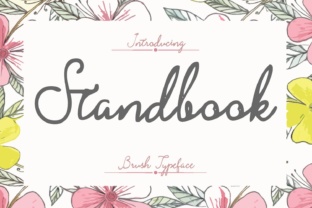
Stand Book is a distinctive typeface that offers a clean, modern aesthetic suitable for a wide range of design applications. Its balanced structure and unique characteristics make it a popular choice among designers looking to create visually appealing text. Whether used in logos, headers, or product packaging, Stand Book provides a strong visual presence while maintaining readability.
What Is Stand Book?
Stand Book is a sans-serif typeface designed with a focus on clarity and versatility. It features a consistent stroke width and subtle curves that give it a contemporary feel. The font is available in multiple weights, allowing designers to adjust the emphasis based on their specific needs. Stand Book is particularly well-suited for projects that require a professional yet approachable look.
Why Choose Stand Book?
Designers may consider Stand Book for several reasons. Its simplicity makes it easy to read, even at smaller sizes, which is essential for body text or captions. The font's geometric structure also lends itself well to digital media, where legibility is crucial. Additionally, Stand Book's clean lines can complement both modern and traditional design elements, making it a flexible option for various projects.
Key Features of Stand Book
- Consistent stroke width for uniformity
- Suitable for both print and digital use
- Available in multiple weights for customization
- Geometric design that enhances readability
When Stand Book Is a Good Fit
Stand Book is ideal for situations where a clear and professional appearance is required. For instance, it works well for business cards, invitations, and product packaging, where a strong visual identity is important. Its clean design also makes it a good choice for headers and subheadings in websites or presentations, helping to draw attention without overwhelming the viewer.
In branding, Stand Book can be used to create a cohesive look across different materials. Its neutrality allows it to pair well with other fonts, making it a practical choice for multi-font designs. Additionally, its adaptability means it can be used in both formal and informal contexts, depending on how it is styled.
Situations Where Alternatives May Be Better
While Stand Book is versatile, there are scenarios where other typefaces might be more appropriate. For example, if a designer is aiming for a more decorative or artistic look, a script or display font could be a better fit. Similarly, if the project requires a highly distinctive or unconventional style, a more unique typeface might be preferable.
Another consideration is the target audience. In some cases, a more traditional serif font may be more suitable for a formal or academic setting. Likewise, for creative or artistic projects, a more expressive typeface could enhance the overall message. Designers should evaluate their specific needs and the context in which the typeface will be used before making a decision.
Practical Considerations for Using Stand Book
Before incorporating Stand Book into a design, it's important to test it in different sizes and formats. While it is generally readable, certain variations may affect legibility, especially in smaller point sizes. Designers should also consider the surrounding text and graphics to ensure that the typeface complements the overall layout.
Additionally, licensing and availability are key factors. Stand Book may be available through various font foundries or digital marketplaces, but designers should verify the terms of use to ensure they have the appropriate license for their intended application. This is particularly important for commercial projects, where proper licensing is essential to avoid legal issues.
Conclusion
Stand Book is a reliable and adaptable typeface that can enhance a variety of design projects. Its clean lines, consistent structure, and versatility make it a practical choice for many applications. However, like any typeface, it is not universally applicable. Designers should assess their specific needs, considering factors such as readability, context, and visual harmony before deciding whether Stand Book is the right choice for their work.
By understanding the strengths and limitations of Stand Book, designers can make informed decisions that align with their goals and the requirements of their projects. Whether used in branding, web design, or printed materials, Stand Book offers a solid foundation for creating effective and visually appealing text.